-
·
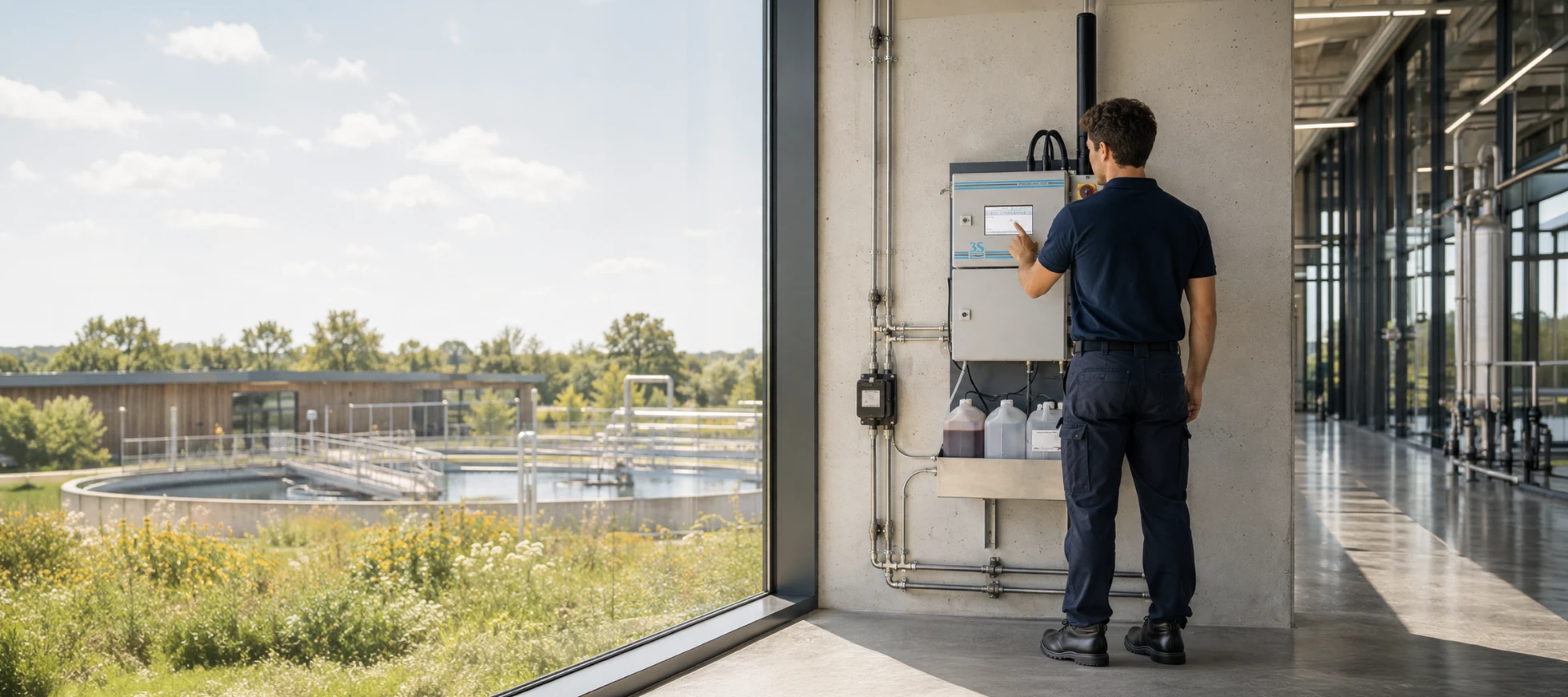
Residual Aluminium After Coagulation: What to Review When Results Change
A changed aluminium result needs context. Define the sample point, treatment stage and verification method before drawing conclusions about coagulation.
-
·
Nitrate in Drinking Water: How Blending and Source Conditions Shape a Monitoring Plan
Blending changes the context of a nitrate result. Map source and treated-water sample points to the decision your monitoring plan must support.
-
·
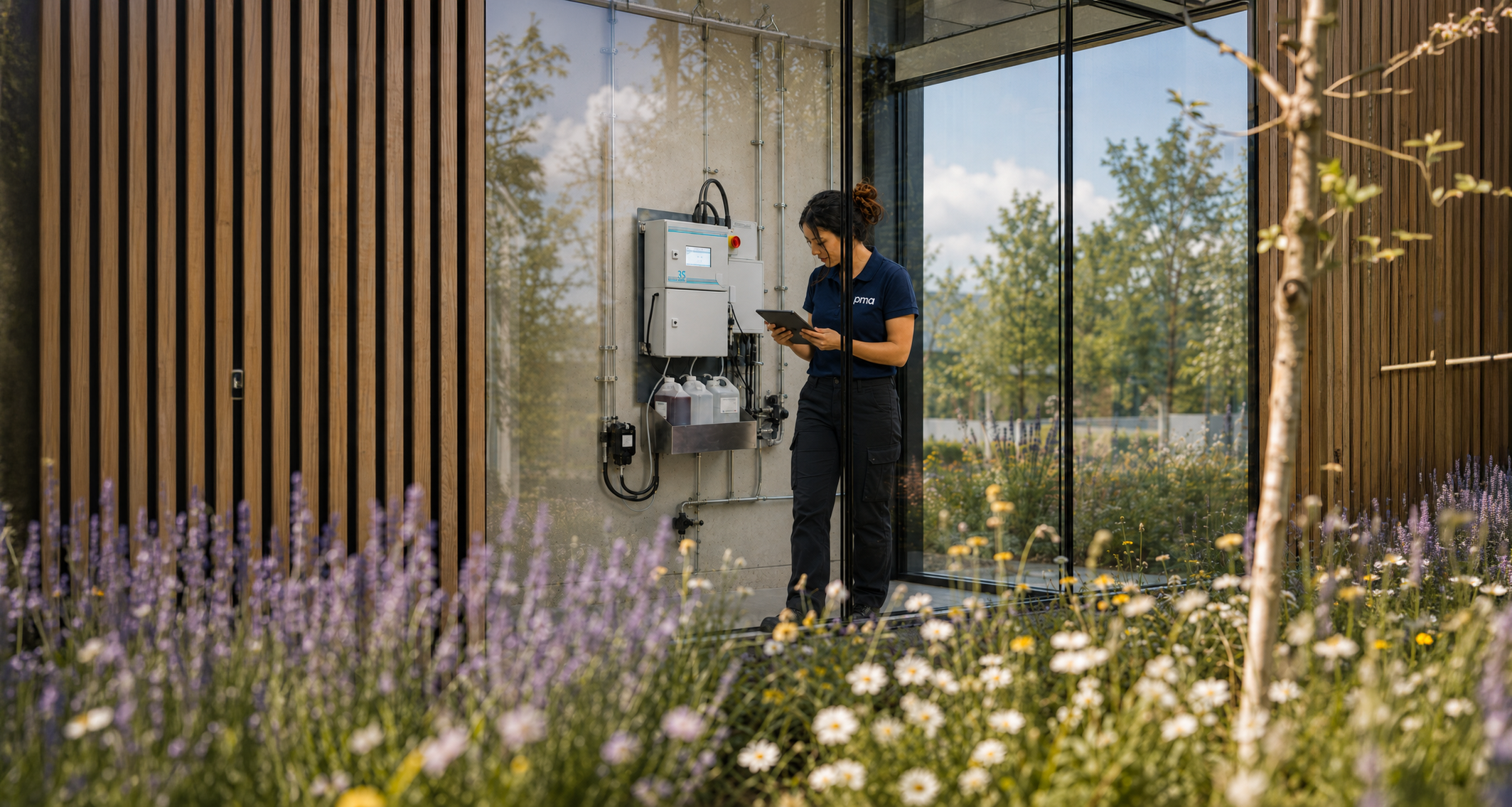
Iron and Manganese in Drinking Water: Investigating Changes Between Source and Network
A changing iron or manganese result can have several possible causes. Start with the sample location, recent operating changes and a defined verification plan.
-
·
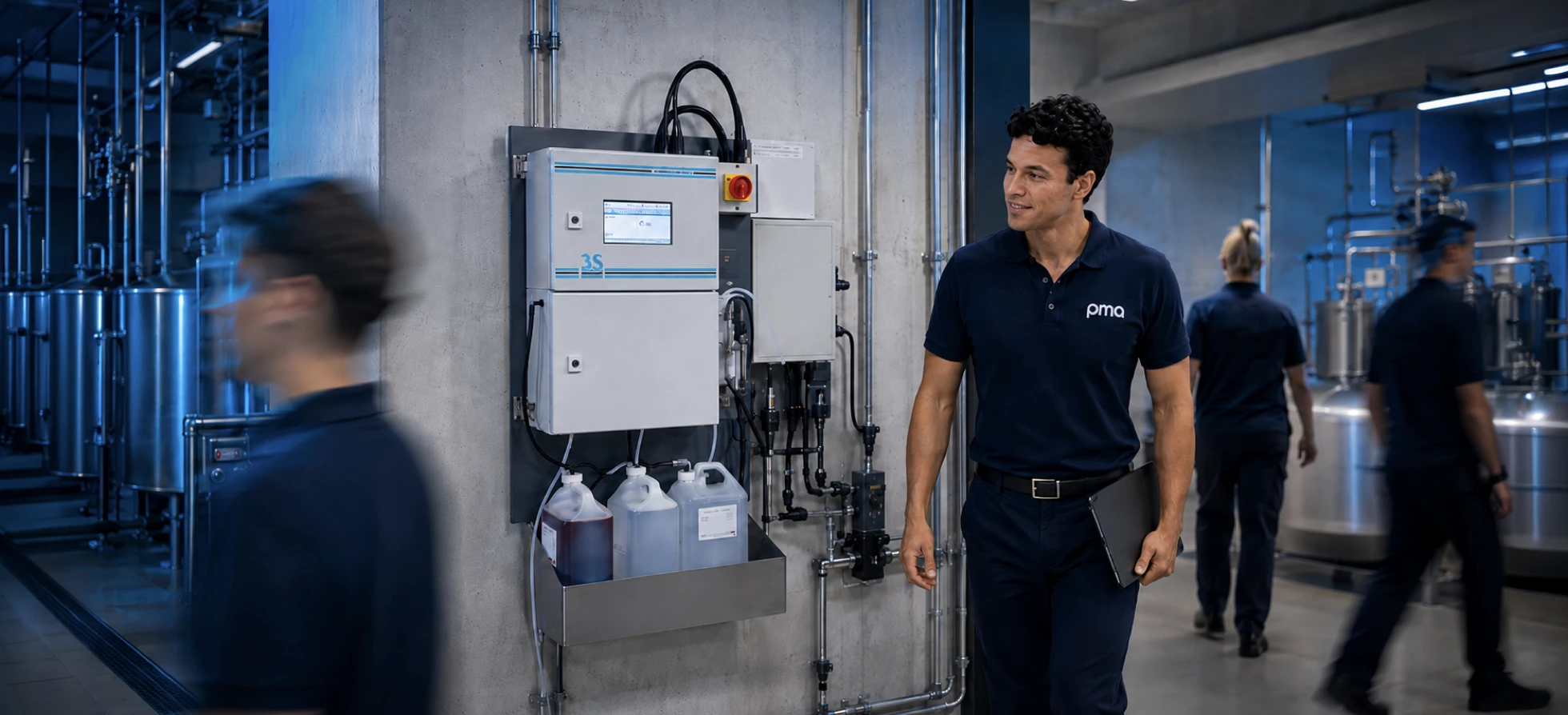
Cooling Tower Water Monitoring: Keep Chemistry Trends Separate From Legionella Control
Cooling-water chemistry is one part of system management. Keep analyser trends distinct from microbial tests, inspections and Legionella controls.
-
·
Online Water Analyser Alarms: Build an Investigation Plan Before the First Unexpected Result
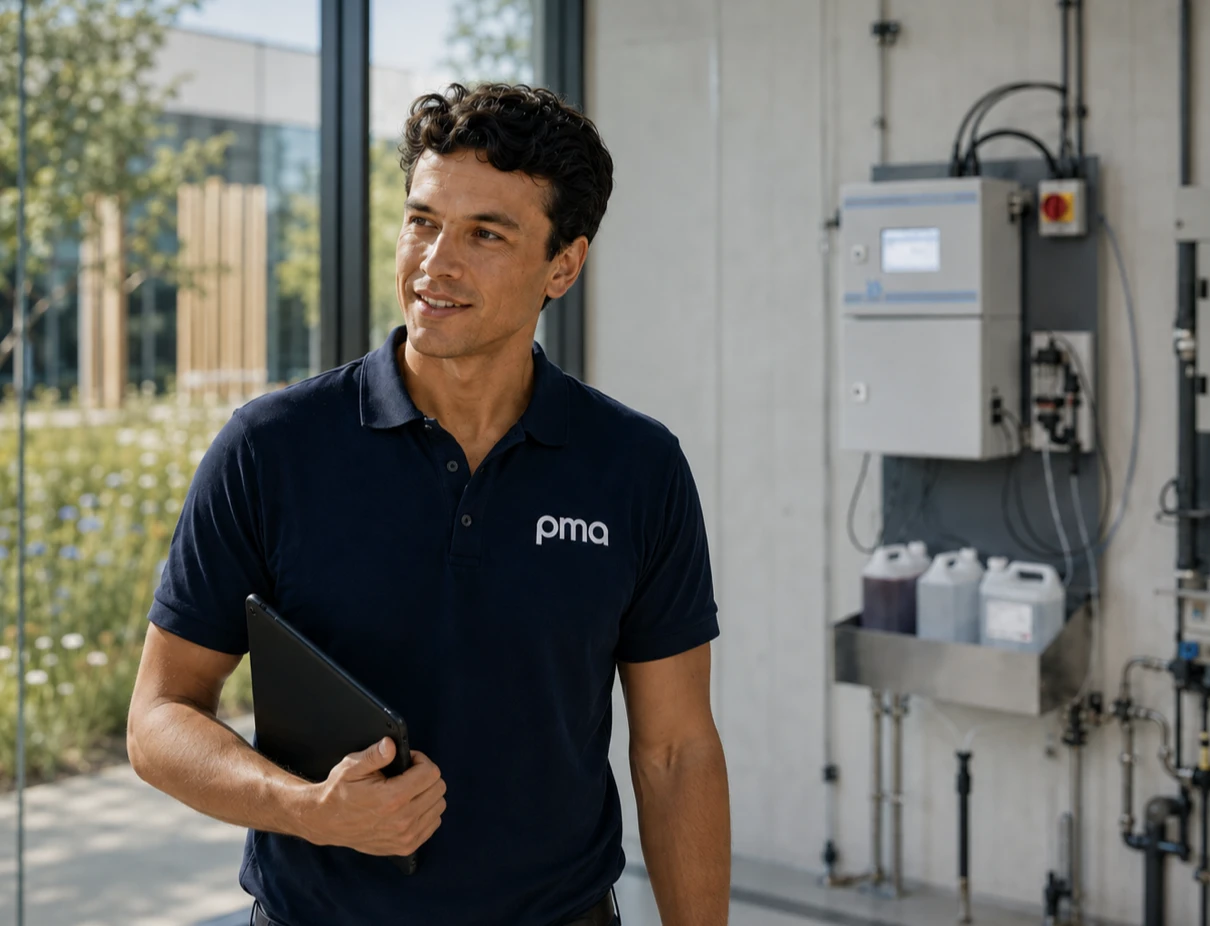
An unexpected analyser value should start a defined investigation, not a scramble. Agree the response route, sample checks and escalation before commissioning.
-
·
Two-Stream Online Water Monitoring: When Comparing Locations Can Answer a Better Operational Question
Two sample streams can show a process relationship that one location cannot. First define what the comparison should prove and how it will be maintained.
-
·
Online Water Analyser Filtration: How to Plan a Sample System for Suspended Solids
Plan an online analyser sample system for suspended solids by defining the measurement objective, filtration trade-offs, utilities and maintenance checks.
-
·
How Online Colorimetric Analysis Works in Water Treatment
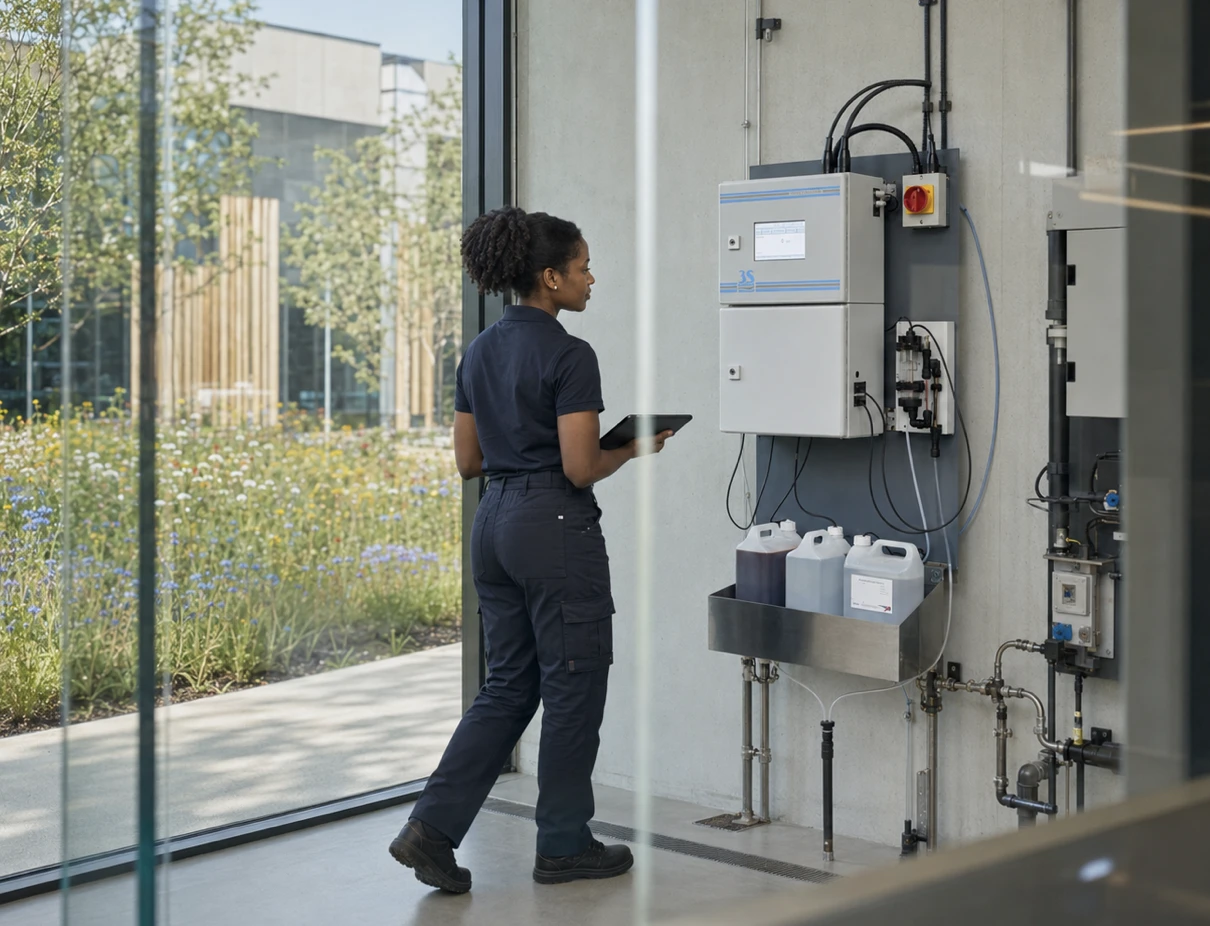
Online colorimetric analysers automate established wet-chemistry methods by measuring the sample, adding reagents, developing the reaction and converting the optical response into a reported concentration.
3S Online Colorimetric Analyser. Explore 3S