
Nitrite in Chloraminated Water
Plan ammonia and nitrite monitoring around your drinking-water supply, sample point and operational objective.
Plan nitrite monitoring across the supply
In chloraminated supplies, bacteria can convert ammonia to nitrite through nitrification. The Drinking Water Inspectorate identifies low disinfectant residuals, longer water residence times and elevated temperatures as conditions associated with this risk. Monitoring needs to reflect the supply system and the location of the sample, rather than treating one result as a complete explanation.
In its Drinking Water 2025 report for England, the DWI recorded four Thames Water nitrite exceedances in chloraminated supply zones. Its investigations also considered distribution conditions and property plumbing. Define the measurement point, reporting basis and response to a changing trend before choosing an analyser.
Build the monitoring plan around the question
Residual and ammonia context
Review nitrite trends with appropriate ammonia and disinfectant residual results and relevant operating records. Confirm which measurements the site uses and how their sample points relate before comparing results.
Sample point and water turnover
Use the site’s risk assessment to choose representative locations across treatment and the network. Record the water route, expected residence time and sample delay so the reading answers a defined operational question.
Verification and response
Agree how a changing online result will be checked against the appropriate sampling and laboratory method. Record the sampling location, time, reporting units and investigation procedure so the team can resolve differences and respond consistently.
Review a suitable 3S configuration
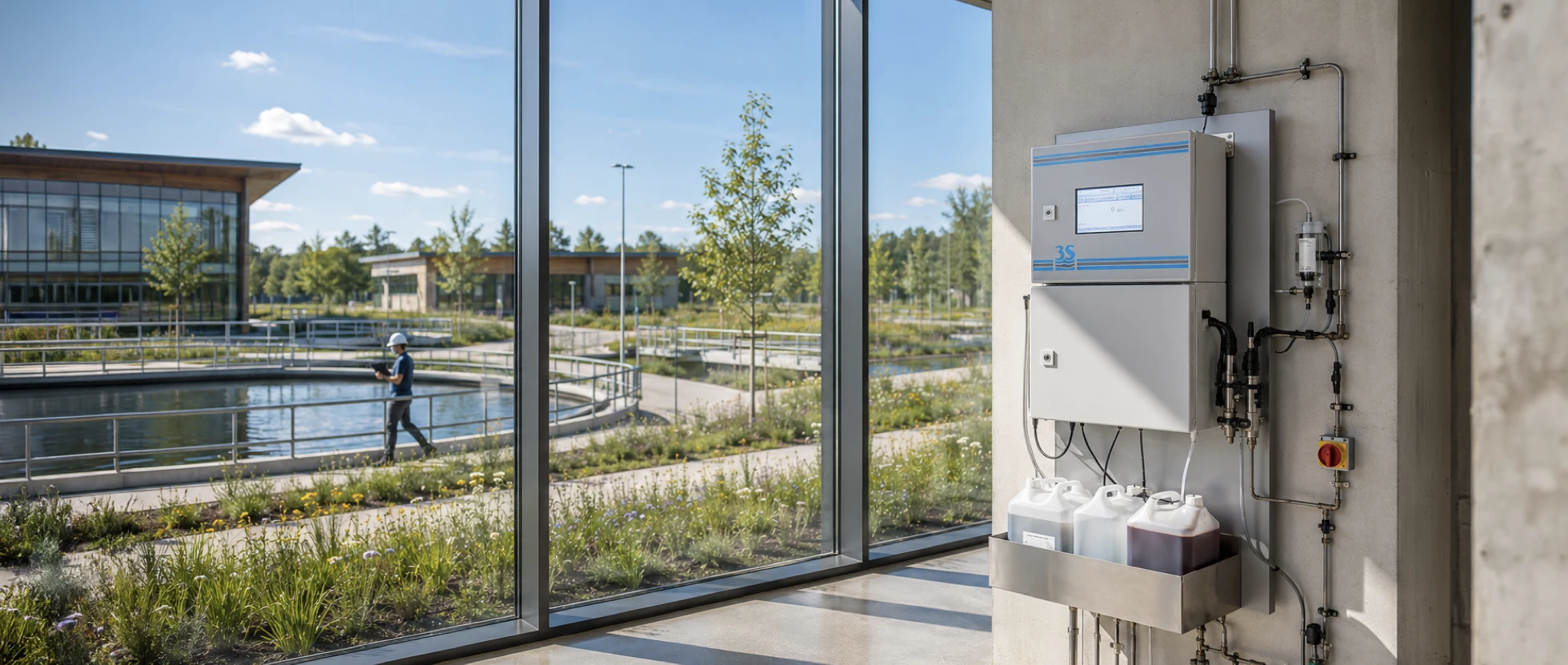
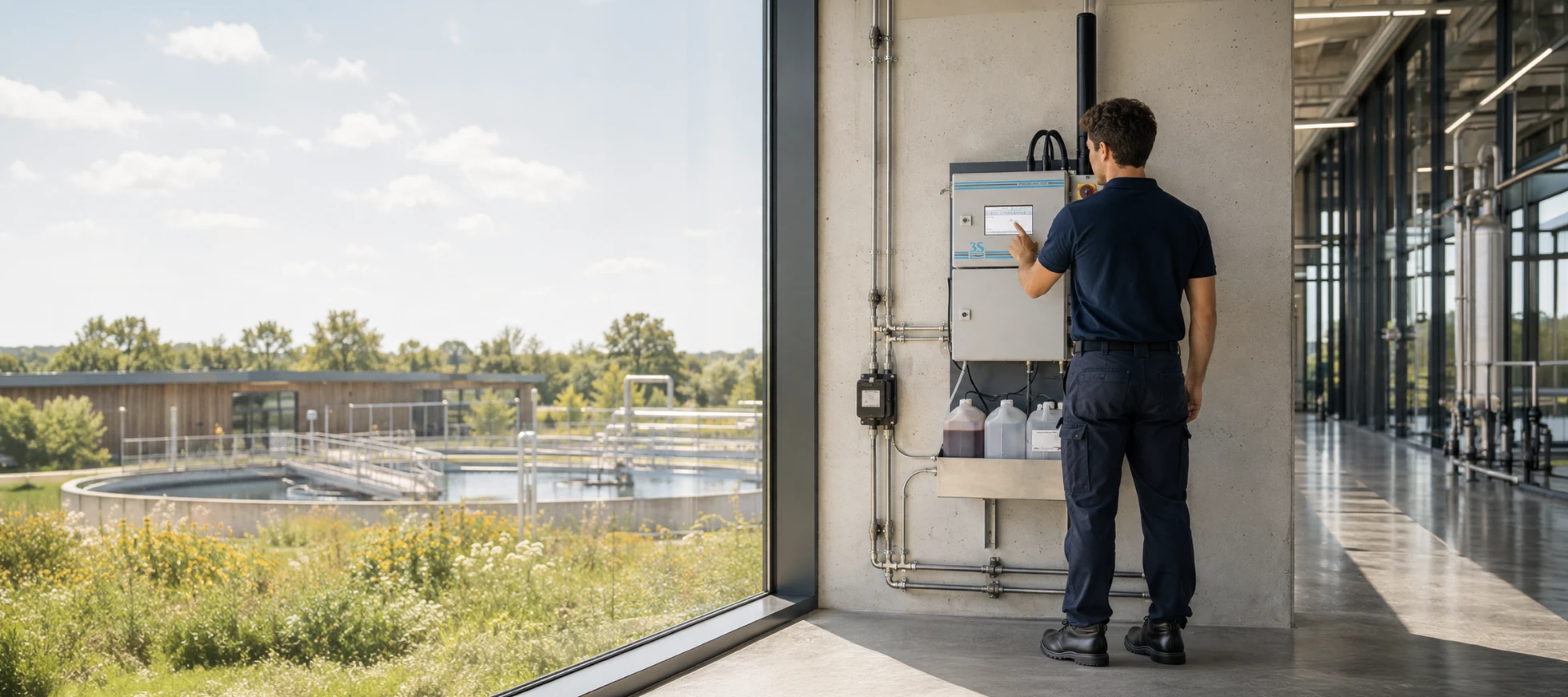
The current 3S-CL brochure lists nitrite and ammonia/ammonium among its parameters, and potable water among its application types. A configured instrument automates the selected reagent sequence and optical measurement.
PMA can review your proposed drinking-water sample and monitoring objective against the applicable method. The required range, sample conditions and installation arrangement must be confirmed; listing both parameters does not establish that one unit can measure them together.
Define the sample first
Share the target parameter and reporting units, proposed sample point, expected concentrations, temperature, colour, solids and measurement interval. Tell PMA how results will be checked and used. Review ammonia and nitrite as separate measurement requirements.
Keep operational and compliance monitoring clear
The DWI expects operators of chloraminated supplies to use monitoring data and risk assessment to identify vulnerable locations. Online trends can support that operational picture, while the site’s statutory sampling, approved laboratory methods and documented response procedures continue to govern compliance and corrective action. The DWI reports cited here concern drinking water in England.
Continue your research
For related measurement decisions, see the ammonia and ammonium analyser and chlorine residual monitoring guide. Review sample conditioning when planning the sample arrangement, or use our ammonia, ammonium and NH4-N guide to define the reporting basis.
Discuss your drinking-water monitoring
Tell us which parameter you need, where the sample will come from and what decision the results should support. PMA can review whether a 3S method and sample arrangement suit your application.